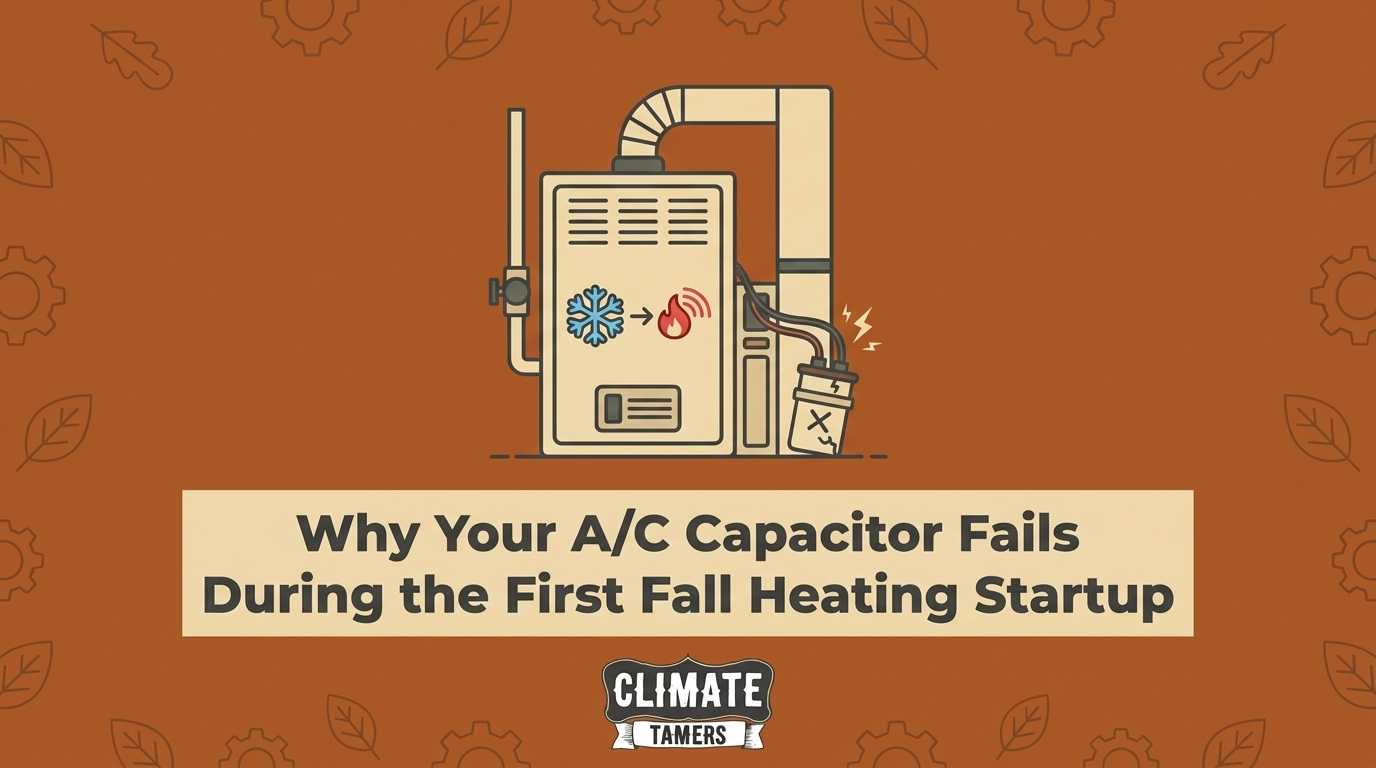
Why Your A/C Capacitor Fails During the First Fall Heating Startup
Smelling burning dust on the first cold night? Review these home maintenance tips and troubleshooting facts to decide when to call a pro for fall heating.


An HVAC emergency is any failure of heating, ventilation, or air conditioning equipment that creates an immediate safety risk, threatens property, or leaves a home or business unable to keep people at safe temperatures. Acting fast stops water damage, prevents electrical fires, and reduces health risks from extreme heat or cold. This guide helps you recognize true emergencies in New Orleans’ climate, spot AC and heating warning signs, and follow a short pre-call checklist before after-hours service arrives. You’ll also learn when to call a 24/7 provider and what to expect when a technician gets there. Practical checklists and symptom-to-urgency tables make it easier to get help fast when you need it most. Keywords covered include emergency HVAC New Orleans, after hours AC repair, urgent heating service, and HVAC burning smell emergency to help you find help quickly.
An HVAC emergency in New Orleans is a malfunction that creates immediate danger to people or property, or causes a sudden loss of climate control during extreme conditions. Our hot, humid summers and occasional cold snaps raise the stakes for total cooling or heating failures — humidity and heat can cause health problems quickly, while standing water and leaks lead to mold and structural damage. Common emergency triggers are electrical burning smells, refrigerant or gas leaks, major water intrusion from condensate or broken lines, and complete system failure during heatwaves or cold snaps. Knowing these categories helps homeowners and business owners decide whether to call a 24/7 emergency HVAC team right away or schedule routine service.
Concrete examples make the difference clear: any burning or electrical smell from HVAC equipment, visible refrigerant leaks or hissing, active flooding from condensate pans or lines, complete loss of cooling during a heatwave, or a gas odor near combustion equipment all count as emergencies. Each can escalate quickly: burning smells may signal failing wiring or motors that could ignite, refrigerant leaks reduce cooling and can point to compressor trouble, and water leaks can ruin ceilings and feed mold. If anyone shows signs of carbon monoxide exposure or you smell gas near a furnace, evacuate and call emergency services before contacting an HVAC technician. These examples keep safety front and center for New Orleans residents.
Call for immediate dispatch when life, property, or structural integrity is at risk: persistent electrical burning smells, visible flame or smoke from HVAC units, large leaks flooding living areas, or total loss of climate control when vulnerable occupants are present during extreme temperatures. Issues that may be urgent but not immediate include intermittent cooling loss, reduced airflow, or unusual noises without smells — those typically need prompt service but can sometimes wait for the next available appointment depending on conditions. Watch for worsening signs — rising indoor temperatures, spreading water stains, or visible electrical arcing — since those raise urgency and should trigger an after-hours call. The next section lists AC signs that often become emergencies so you can spot trouble sooner.

AC emergencies usually start with clear, observable symptoms that point to electrical hazards, refrigerant failure, or mechanical breakdowns that need immediate attention. In New Orleans, a prolonged AC outage quickly creates unsafe indoor heat and humidity, which raises health risks and the chance of property damage. Common emergency indicators include no cooling during high heat, burning or electrical odors, loud mechanical noises, and water leaking from indoor or outdoor components. Below is a short symptom list and a simple table mapping common AC problems to urgency and immediate homeowner actions.
Top AC emergency signs to watch for:
• No cooling or significant temperature loss: The system runs but indoor temperature climbs quickly.
• Burning smells or electrical concerns with the AC: Persistent plastic, hot-metal, or burning odor while the system is operating.
• Water leaking from AC unit: Active dripping, pooling, or water coming from indoor or outdoor equipment.
• Loud banging, grinding, or screeching noises: Sounds that suggest mechanical failure or imminent compressor damage.
These signs range from urgent to immediate. The table below translates symptoms into action steps so you can decide whether to call after-hours emergency repair.
Intro to table: The table below maps common AC symptoms to urgency level and immediate homeowner actions to take before or while waiting for technician arrival.
• No cooling during extreme heat — Urgency Level: High — call now — Immediate Action: Check thermostat and breakers; if the outdoor unit runs but there’s no cool air, call a 24/7 service
• Burning or electrical smell — Urgency Level: Immediate — shut down and call — Immediate Action: Turn off HVAC power at the breaker, evacuate if smell is strong, call emergency services if you see smoke
• Water leaking from indoor unit — Urgency Level: High — prompt response — Immediate Action: Turn off the system, place towels or buckets to limit damage, and call emergency repair
• Loud metal-on-metal or grinding noise — Urgency Level: High — call now — Immediate Action: Turn off the system to avoid further damage and request emergency dispatch
Intro to table: This table helps homeowners translate heating symptoms into likely causes and a decision rule for contacting emergency HVAC support.
Summary paragraph: This mapping shows which AC problems need immediate 24/7 attention and which can be closely monitored for a short time. When in doubt, shut off power for electrical smells and call an emergency service to reduce fire and water damage risk.
No cooling or a sudden loss of performance in New Orleans is more than an annoyance — it increases the risk of heat-related illness, mold from rising humidity, and equipment damage if the compressor is failing. Start with basic checks: confirm the thermostat is set to cool, make sure filters aren’t clogged, and check circuit breakers for the outdoor unit and furnace. If the outdoor unit runs but indoor air stays warm, you’re likely looking at refrigerant issues, compressor trouble, or airflow blockage — problems that usually need a professional diagnosis and may require after-hours service during heatwaves. If infants, elderly people, or medically vulnerable occupants are present, treat an AC failure as an emergency and call a 24/7 technician right away.
A burning, acrid, or electrical odor from an AC unit is a top-tier emergency because it can indicate overheated wiring, failing motors, or control board problems that could cause a fire. The safest first step is to shut off the HVAC at the thermostat and the circuit breaker, and evacuate if the smell is strong or you see smoke. Don’t run the system again until a qualified technician inspects the electrical components and motors — that reduces ignition risk. If the odor persists after power-down, call an emergency HVAC provider immediately; a fast response during after-hours can significantly reduce danger.
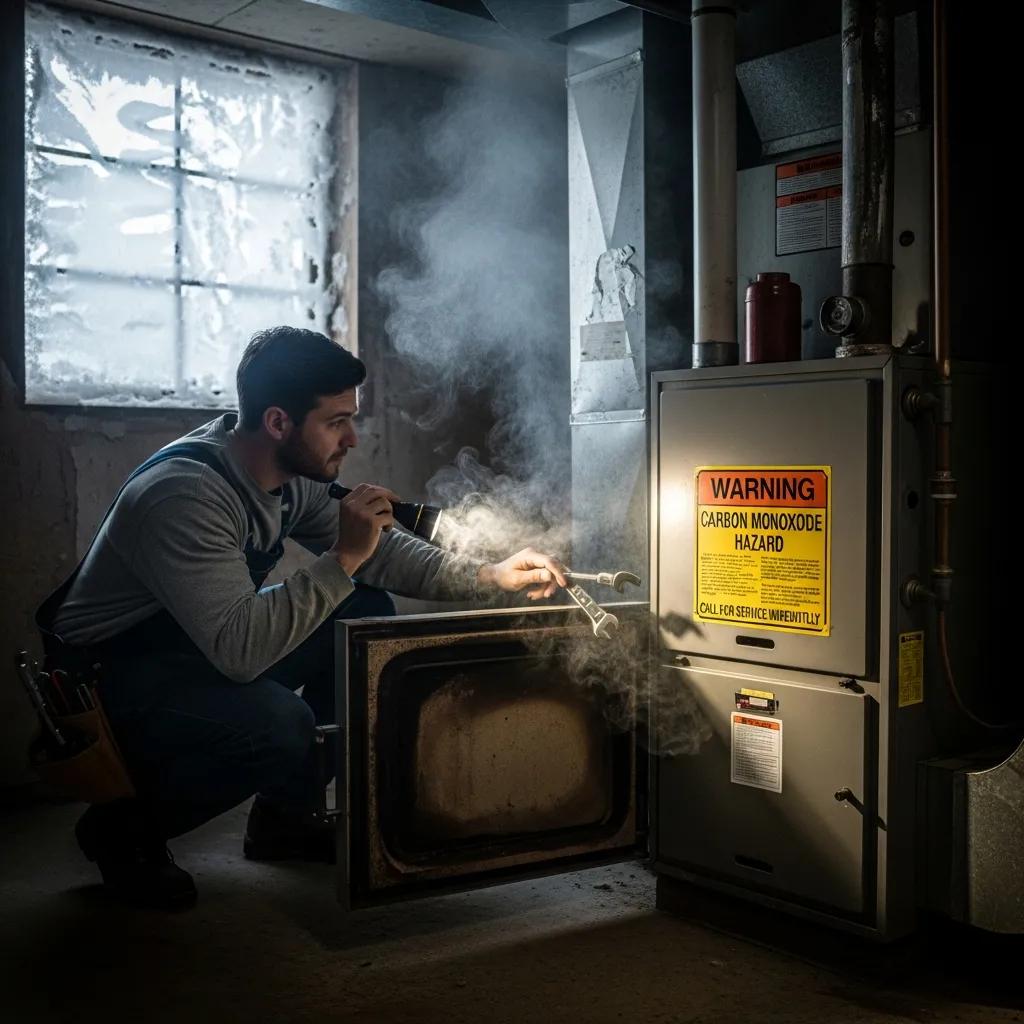
Heating emergencies are less common here than AC problems, but they’re still serious — especially during sudden cold snaps or when systems show combustion or electrical warning signs. Heating units that emit gas or sulfur-like smells, fail to ignite, or make loud, unusual noises should be treated as urgent. The table below links typical heating symptoms to possible causes and explains when to call for emergency service.
Intro to table: This table helps homeowners translate heating symptoms into likely causes and a decision rule for contacting emergency HVAC support.
• No heat despite call for heat — Possible Cause: Ignition failure, power issue, or fuel supply problem — When to Call: Call urgent heating service if basic checks (thermostat, breakers) don’t fix it
• Furnace or gas odor — Possible Cause: Gas leak, combustion issue — When to Call: Evacuate, call emergency services for gas leaks, then contact HVAC
• Loud banging or rattling — Possible Cause: Delayed ignition, loose components — When to Call: Call a 24/7 technician if noise continues after a safe shutdown and restart
• Intermittent cycling or short-cycling — Possible Cause: Thermostat problems or heat exchanger/fuel issues — When to Call: Schedule prompt service; call emergency if the system fails completely during cold weather
Summary paragraph: Knowing these mappings reduces uncertainty in stressful moments. Gas odors and ignition failures need immediate safety steps and emergency response, while some intermittent problems may be urgent but manageable with fast professional attention.
Loss of heat can become an emergency during cold snaps. New Orleans residents should treat sustained heat loss seriously, especially when vulnerable occupants are present. Start by checking thermostat settings, breakers, and visible vents for blockages. If those checks don’t restore heat, ignition or fuel supply problems may be the cause. Issues like ignition failure, a cracked heat exchanger, or electrical control faults usually require same-day or after-hours attention to prevent frozen pipes, hypothermia, or further equipment damage. If elderly people, infants, or those with chronic illness are affected, call urgent heating service immediately to restore safe temperatures.
Distinct smells — sour, sulfuric, or rotten-egg odors — may signal a gas leak or combustion issue and are immediate dangers; burning or electrical smells point to wiring or motor failures that also require shutdown and emergency service. Mechanical noises such as loud banging, persistent rattling, or repeated rapid cycling often mean delayed ignition, loose parts, or failing motors and blowers that can worsen quickly. If you smell gas, evacuate and call emergency responders before contacting an HVAC technician. For burning smells or loud mechanical failures, cut power and call a 24/7 service for inspection and safe repair. These steps protect occupants and property while making it easier for technicians to diagnose the problem when they arrive.
Before you call for after-hours emergency HVAC repair, a short safety-first checklist can save time and reduce risk while giving technicians the information they need. These steps focus on safety (especially for burning or gas smells), basic troubleshooting that’s safe for homeowners, and collecting system details that speed diagnosis and repair. The numbered checklist below is written for quick action and can be read aloud to an emergency dispatcher to provide clear context.
Numbered checklist intro: Use this checklist to perform safe checks and assemble essential details before calling a 24/7 HVAC provider.
• Safety first: If you smell gas or burning, evacuate immediately and call emergency services; don’t flip switches or use appliances.
• Power and thermostat checks: Confirm circuit breakers and disconnect switches are on and thermostat settings are correct; toggle the thermostat to see if the system responds.
• Visual inspections: Look for obvious water leaks, pooling, or damaged ducts; check the outdoor unit for ice, debris, or disconnected lines.
• Temporary measures: If it’s safe, place towels or buckets to limit water spread, and use fans or window shading to lower indoor temperatures until help arrives.
Checklist summary paragraph: These steps protect people and provide technicians with helpful information; completing them often narrows likely causes and helps emergency teams arrive prepared.
Only perform simple, low-risk checks yourself: confirm breakers and HVAC disconnects are on, verify thermostat settings and batteries if applicable, and look for visible water leaks or ice on outdoor units. Don’t open the furnace cabinet, touch wiring, or attempt repairs — those actions can be dangerous and should be left to trained technicians. If you detect a strong gas or burning odor, leave the property and call emergency services first, then contact an HVAC emergency provider. Noting what you smelled, whether the outdoor unit was running, and any recent maintenance will speed triage when you reach a 24/7 dispatcher and help technicians prioritize the repair when they arrive.
Having system details ready before you call reduces diagnostic time and helps technicians bring the right parts and tools. Useful information includes the system brand and model (usually on the outdoor unit nameplate), a brief timeline of symptoms, recent maintenance history, and any recent events like power surges or nearby construction. Also tell dispatchers about vulnerable occupants — infants, elderly, or medical equipment that depends on steady climate control — so they can prioritize response. Recording serial numbers and last service dates in advance is a small step that makes emergency assistance faster and more effective.
After this practical checklist, if you need immediate help, Climate Tamers is available 24/7 in New Orleans and nearby areas with no holiday closures. We provide emergency repair for AC, heating, mini-splits, and heat pumps. Mention the system details and symptom timeline when you call so technicians can triage and respond more efficiently. Use emergency dispatch channels to request after-hours assistance and we’ll dispatch a local team quickly to assess hazards and apply temporary or permanent repairs.
Climate Tamers is a local HVAC company serving New Orleans, Metairie, Kenner, LA, and surrounding communities, and we offer 24/7 emergency availability with no holiday closures. For urgent heating service, after-hours AC repair, or an HVAC burning smell emergency, a neighborhood provider who understands local climate patterns and common failure modes can shorten response time and improve results. Below we summarize our core promises — local expertise, rapid response, and clear communication — so you know what to expect when you choose us for emergency work.
We’re ready around the clock to handle emergency HVAC calls in New Orleans and nearby towns, and our local knowledge helps us triage common, climate-driven issues faster. Technicians familiar with humidity-driven condensate problems, coastal corrosion risks, and seasonal load patterns can diagnose and stabilize systems more efficiently. Fast response limits damage from flooding or overheating by providing immediate safety checks and temporary measures when full repairs must wait for parts. If you need after-hours AC repair or urgent furnace service in Kenner or nearby, giving the dispatcher your location, symptoms, and any occupant vulnerabilities helps us prioritize the response.
Knowing when to call for 24/7 emergency HVAC repair in New Orleans can protect your home and the people inside during critical moments. Recognize key signs — burning smells, active leaks, or major temperature loss — and act quickly to reduce damage and risk. Choosing a reliable local team like Climate Tamers gets you fast, knowledgeable help that understands the unique challenges of the New Orleans climate. If you need immediate assistance, contact our team for emergency HVAC service right away.

Our customers consistently praise Climate Tamers for our professionalism, fast service, and commitment to keeping their homes comfortable.