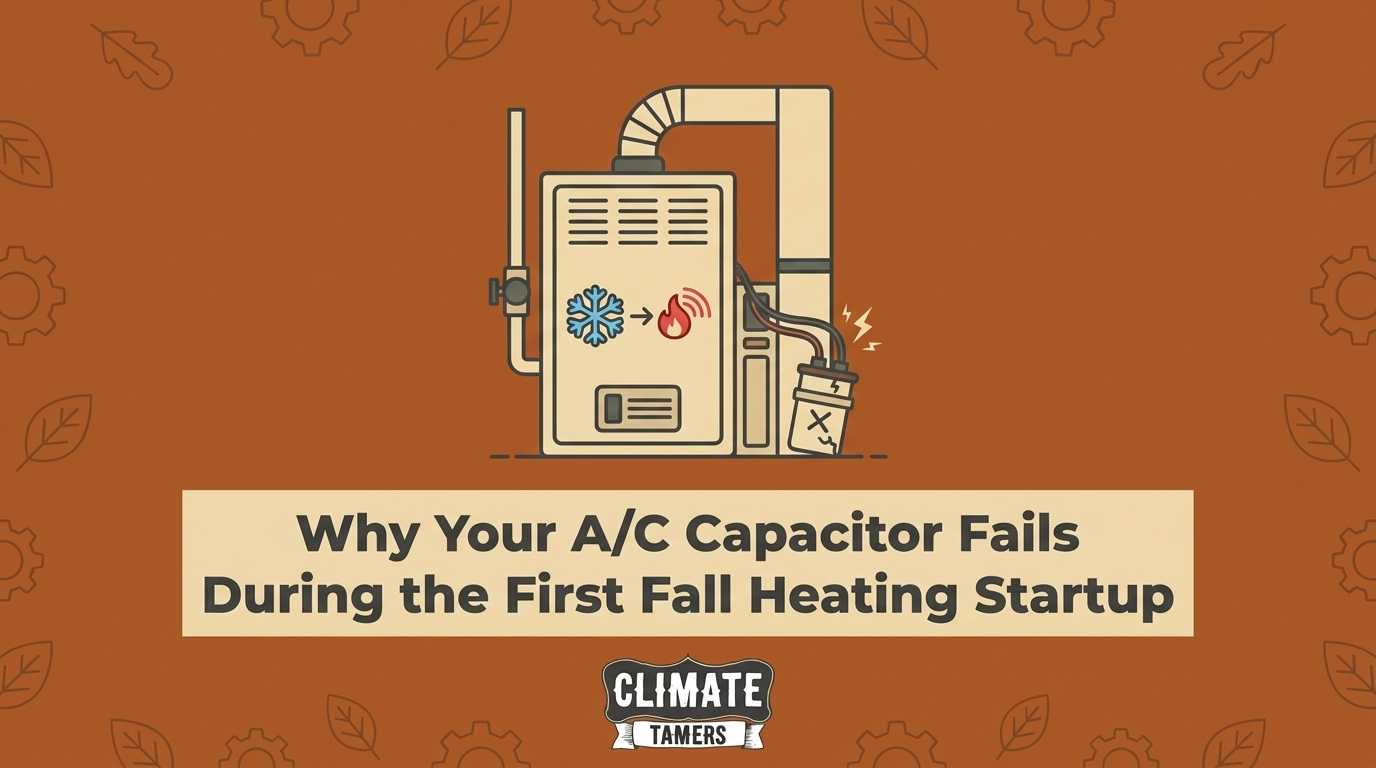
Why Your A/C Capacitor Fails During the First Fall Heating Startup
Smelling burning dust on the first cold night? Review these home maintenance tips and troubleshooting facts to decide when to call a pro for fall heating.


Energy efficiency should be part of every HVAC repair. It trims energy use, extends equipment life, and keeps your home more comfortable. In this guide we walk through practical repair techniques that save energy and money—so you know what to expect when a technician is in your home. You’ll get straightforward tips, sustainable repair options, the likely cost benefits, and guidance for choosing the right service in your area. By understanding these strategies, you can make informed decisions that benefit both your wallet and the environment over the long term.
Small choices made during repairs add up. Focus on steps that keep the system running at peak performance and avoid fixes that mask deeper inefficiencies. Prioritizing energy-saving measures during repairs not only reduces your carbon footprint but also enhances system reliability and comfort throughout the year. Being proactive with these tips can prevent costly breakdowns and improve indoor air quality.
• Regular Maintenance: Keep a service schedule. Routine tune-ups stop small issues from becoming big energy drains and help systems run smoothly. This includes checking refrigerant levels, cleaning coils, and inspecting electrical components to ensure optimal operation.
• Use of High-Efficiency Parts: When parts need replacing, choose high-efficiency components that cut energy use and pay back over time. These parts often come with extended warranties and are designed to meet or exceed current energy standards.
• Proper Insulation: Insulating and sealing ductwork reduces heat loss and keeps conditioned air where it belongs — inside your home. Proper insulation also minimizes the workload on your HVAC system, leading to longer equipment life and lower energy bills.
Efficient repairs make systems work less to do more. Better filters and clean coils improve airflow so the unit doesn’t labor. Sealing duct leaks keeps conditioned air from escaping, which lowers runtime and energy use. Studies show these kinds of measures can reduce energy use by roughly 20–30% in many homes. Additionally, efficient repairs often improve indoor air quality and reduce wear and tear on equipment, leading to fewer emergency repairs and longer system lifespan.
Research has shown duct sealing can meaningfully lower energy use in residential forced‑air systems. This not only saves money but also contributes to a more sustainable home environment by reducing unnecessary energy consumption.
Residential Duct Sealing for HVAC Energy ReductionThis project evaluated whether sealing ducts reduces energy use in hot‑air distribution systems in central Pennsylvania homes. Five houses with forced‑air electric heat pumps were monitored. For about two months before the retrofit, researchers continuously tracked heat pump energy consumption, supply air temperature, and thermostat temperature. They measured duct leakage, then sealed ducts—focusing on leaks to unconditioned spaces—and rechecked leakiness. After sealing, heat pump energy use was monitored for another month. Energy use was adjusted for weather and compared across the monitoring periods to measure the duct‑sealing impact.Evaluation of residential duct sealing effectiveness., 1997
Sustainable maintenance reduces environmental impact and usually improves comfort and savings. Here are practical, effective practices we recommend: These approaches not only help the planet but also ensure your HVAC system operates at peak efficiency, reducing unexpected breakdowns and costly repairs.
• Using Eco-Friendly Refrigerants: Choose refrigerants with lower global‑warming potential to reduce environmental impact when servicing or recharging systems. These refrigerants comply with evolving regulations and help future-proof your system.
• Implementing Smart Thermostats: A smart thermostat learns patterns and reduces wasted runtime by adapting to occupancy and schedules. This technology can also provide valuable energy usage reports and remote control capabilities for added convenience.
• Regular Cleaning of Coils and Filters: Clean coils and filters restore proper airflow and efficiency—simple tasks that lower operating costs. Neglecting these can lead to system strain, higher energy consumption, and reduced indoor air quality.
Sustainable repairs aim to cut environmental impact and energy waste while keeping comfort high. They use better materials, smarter controls, and targeted fixes so systems run less often and more effectively. By integrating sustainability into repair work, homeowners can contribute to broader environmental goals while enjoying tangible benefits such as quieter operation and improved system reliability.
These options help make repairs greener and more efficient: Selecting the right materials and technologies is key to achieving lasting energy savings and reducing the carbon footprint of your HVAC system.
• Recycled Materials: Using recycled options for ductwork and insulation reduces waste and the job’s overall carbon footprint. These materials often meet or exceed performance standards while supporting circular economy principles.
• Energy-Efficient Equipment: Upgrading to energy‑efficient units or components lowers long‑term energy use and often improves comfort. Look for ENERGY STAR® certified products to ensure high performance.
• Smart Technology Integration: Integrating sensors and smart controls gives better system visibility and precise control, which trims unnecessary runtime. These technologies enable predictive maintenance and real-time adjustments for optimal efficiency.
Qualified technicians are essential. Proper training, the right tools, and adherence to best practices ensure repairs actually improve efficiency rather than just restore operation. Their expertise helps identify hidden inefficiencies and recommend solutions tailored to your home’s unique needs.
• Training on Energy Efficiency: Technicians who are trained in current efficiency standards and techniques deliver smarter, longer‑lasting repairs. Continuous education keeps them updated on the latest technologies and regulations.
• Utilizing Diagnostic Tools: Advanced diagnostics pinpoint root causes so repairs are targeted and effective, not just temporary fixes. This approach reduces repeat visits and ensures comprehensive solutions.
• Following Best Practice Guidelines: Sticking to proven guidelines helps technicians choose the right package of changes for a home’s climate and construction. This ensures compliance and maximizes energy savings.
These approaches follow industry best practices for delivering energy‑efficient, cost‑effective HVAC retrofits. They also help build trust between homeowners and service providers by emphasizing transparency and quality workmanship.
Residential HVAC Retrofit Best Practices for Energy SavingsThis best‑practices guide helps contractors deliver energy‑efficient, cost‑effective HVAC retrofits. It organizes retrofit measures into packages tailored to climate and house construction, covering materials, procedures, and equipment. The goal is to remove guesswork for builders, contractors, installers, and homeowners so they can make informed choices about HVAC upgrades.Best practices guide for residential HVAC Retrofits, IS Walker, 2003
Spending a bit more up front on efficient parts and proper repairs usually pays off. You can expect lower utility bills and fewer emergency repairs over the life of the system. Additionally, many energy-efficient upgrades increase property value and provide peace of mind through improved system reliability.
Efficient repairs cut the energy your system needs to heat or cool your home. A well‑maintained, optimized system can save homeowners around 20% on energy costs in many cases. Plus, efficient upgrades often qualify for rebates and incentives that reduce the upfront expense. Over time, these savings accumulate, making energy-efficient repairs a smart financial investment.
New Orleans homeowners can tap into several local programs to offset upgrade costs: These incentives make it easier and more affordable to choose energy-saving options that benefit both your home and the environment.
• Rebate Programs: Local utilities often offer rebates for installing energy‑efficient HVAC equipment. These rebates can significantly reduce initial costs.
• Tax Credits: Federal and state tax credits may apply for qualified energy‑saving upgrades. These credits help lower your tax burden while encouraging sustainable choices.
• Financing Options: Some programs provide low‑interest loans or financing to spread the cost of improvements. This flexibility allows homeowners to invest in efficiency without large upfront payments.
Local rules shape what’s required during repairs and installations. They ensure systems meet baseline efficiency and safety standards. Compliance with these regulations protects homeowners from substandard work and helps maintain community-wide energy goals.
In New Orleans, common requirements include: Understanding these standards helps homeowners and technicians align repair work with legal and environmental expectations.
• SEER Ratings: Equipment must meet minimum SEER (Seasonal Energy Efficiency Ratio) standards. The typical minimum for new systems in Louisiana aligns with federal rules at 14 SEER. Higher SEER ratings correspond to greater energy savings.
• Building Codes: Local building codes define installation and performance expectations to maintain efficiency and safety. These codes are regularly updated to reflect advances in technology and environmental priorities.
• Inspection Requirements: Inspections ensure work complies with applicable energy and safety standards. Passing inspections is often necessary to qualify for rebates and insurance coverage.
Take these simple steps to make sure repairs are both efficient and compliant: Being proactive in this way helps avoid costly rework and maximizes the benefits of your investment.
• Research Local Regulations: Know the local rules so you can compare proposals and avoid surprises. This knowledge empowers you to ask informed questions and set clear expectations.
• Choose Certified Technicians: Hire technicians with relevant certifications who understand efficiency requirements. Certified professionals are more likely to deliver quality, compliant work.
• Request Documentation: Ask for compliance paperwork and rebate documentation after the job is done. Keeping these records can be valuable for future maintenance and resale.
Picking the right provider matters. Look beyond price to find a company that prioritizes efficiency, transparency, and lasting results. A trusted provider will offer clear communication, detailed estimates, and post-service support to ensure your satisfaction.
When you’re vetting providers, these questions help separate routine repair shops from efficiency‑focused teams: Asking these questions upfront can save time and money by identifying the best fit for your needs.
• What energy-efficient options do you offer?: Ask which high‑efficiency parts, controls, and retrofit packages they recommend for your home. This shows their commitment to sustainability.
• Can you provide references or case studies?: Real examples show how a provider’s work has lowered energy use for other homeowners. Positive feedback indicates reliability and expertise.
• What certifications do your technicians hold?: Confirm technicians have training in efficiency standards and best practices. Certified technicians are more likely to deliver quality, compliant repairs.
At Climate Tamers we focus on practical, high‑value measures that cut energy use and improve comfort. Our approach includes: We combine technical expertise with customer education to empower homeowners to make the best choices for their homes.
• Utilizing High-Efficiency Equipment: We specify and install efficient systems and components to deliver lasting savings. Our equipment selections meet or exceed industry standards.
• Training Technicians: Our technicians get ongoing training on the latest efficiency standards and repair methods. This ensures they are equipped to handle evolving technologies and regulations.
• Offering Comprehensive Energy Audits: We perform audits to find opportunities for immediate and long‑term savings, then prioritize fixes that give the best return. Our audits provide clear, actionable recommendations tailored to your home.
Energy-efficient repairs reduce the energy your HVAC system needs to heat and cool your home, which lowers greenhouse gas emissions. Using eco‑friendlier refrigerants and improving system efficiency cuts a system’s climate impact. Simple steps like duct sealing and regular maintenance also reduce overall energy demand across the grid. These benefits contribute to cleaner air and help combat climate change on a broader scale.
Start with an energy audit or a professional evaluation. Watch for signs like uneven temperatures, frequent cycling, or rising energy bills. Certified technicians can use diagnostic tools to find duct leaks, poor insulation, or incorrect refrigerant charge so you can address the root cause instead of chasing symptoms. Early detection of inefficiencies can prevent costly repairs and improve comfort.
Smart thermostats reduce wasted runtime by learning your schedule and adapting setpoints. They can automatically lower energy use when you’re away, provide real‑time energy data, and send alerts for unusual system behavior—making it easier to save without changing your routine. Many models also integrate with home automation systems for enhanced control and convenience.
Yes. Regularly replacing or cleaning filters, keeping coils clean, checking refrigerant levels, and sealing ductwork all improve airflow and reduce system strain. Annual professional tune‑ups catch issues early and keep systems running efficiently over time. Neglecting these tasks can lead to higher energy consumption and premature equipment failure.
Look for licensed, insured providers with certifications in efficiency and good local references. Ask about energy audits, efficiency upgrades, and documentation for rebates. A company that explains tradeoffs and recommends cost‑effective measures is usually the best long‑term partner. Transparent pricing and clear communication are also important factors.
Local rules set minimum efficiency and installation standards—things like SEER minimums or specific code requirements. Meeting these standards avoids compliance issues and may be necessary to qualify for rebates or tax incentives. Knowing local rules helps you choose upgrades that both comply and deliver savings. Staying informed also protects you from potential fines or costly rework.
Putting energy efficiency front and center during HVAC repairs saves money, reduces environmental impact, and improves comfort. Choose high‑efficiency parts, hire certified technicians, and request an energy audit to get the best results. If you want help prioritizing upgrades or estimating savings, contact us and we’ll provide a straightforward plan for your home. Taking these steps ensures your HVAC system operates efficiently for years to come, benefiting both your household and the planet.

Our customers consistently praise Climate Tamers for our professionalism, fast service, and commitment to keeping their homes comfortable.