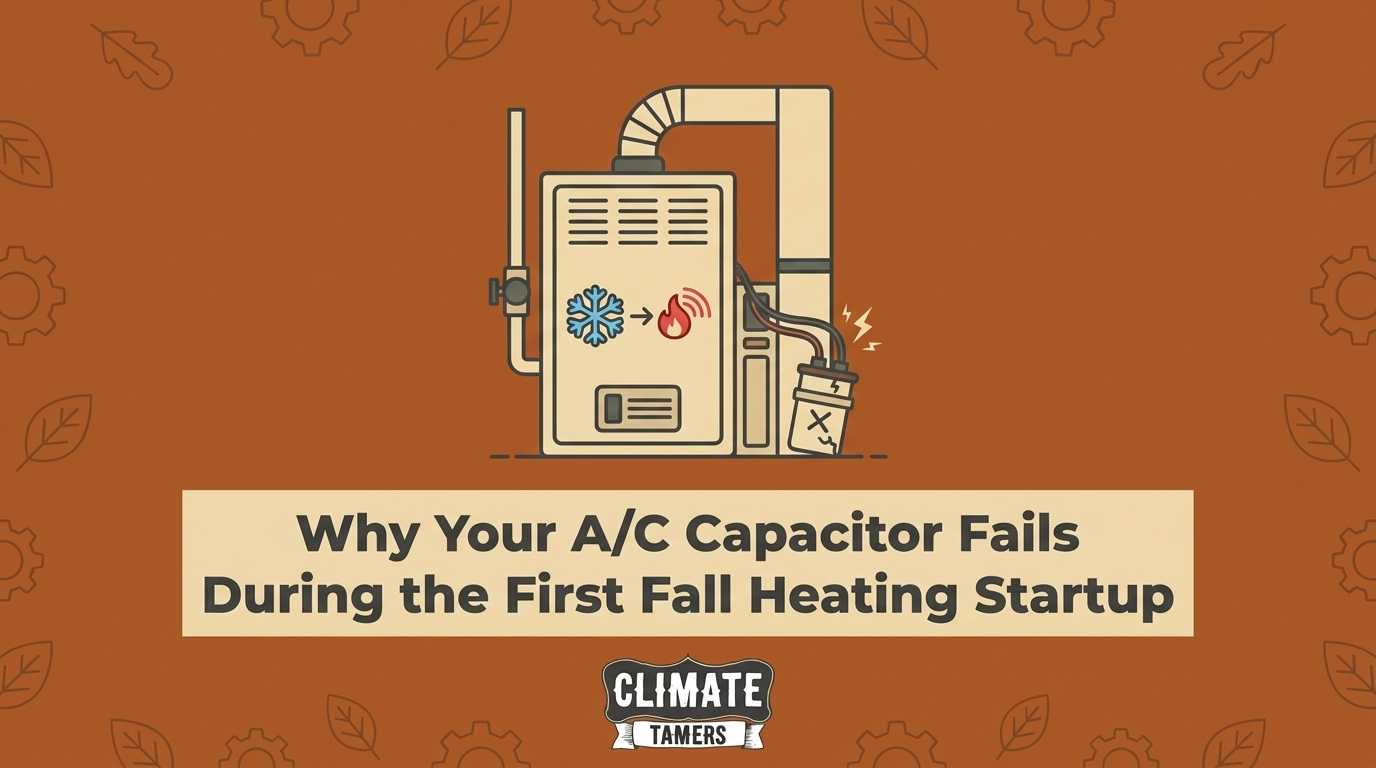
Why Your A/C Capacitor Fails During the First Fall Heating Startup
Smelling burning dust on the first cold night? Review these home maintenance tips and troubleshooting facts to decide when to call a pro for fall heating.


We at Climate Tamers understand how unsettling unusual noises from your HVAC system can be. Strange sounds like banging, rattling, or hissing often signal underlying problems that require timely attention to maintain system efficiency and comfort in New Orleans, LA. This comprehensive guide helps you recognize common noise types and equips you with practical, safe checks while clarifying when it's critical to contact our licensed technicians.
Persistent noises not only disrupt peace but often precede major component failures or efficiency drops. Early detection helps avoid unexpected breakdowns and costly repairs. Our aim is to provide you with straightforward DIY steps, tips for documenting issues, and clear advice on when to rely on experienced HVAC professionals from Climate Tamers.
Each HVAC noise usually points to specific causes. Recognizing these early allows you to avoid larger failures and repairs.
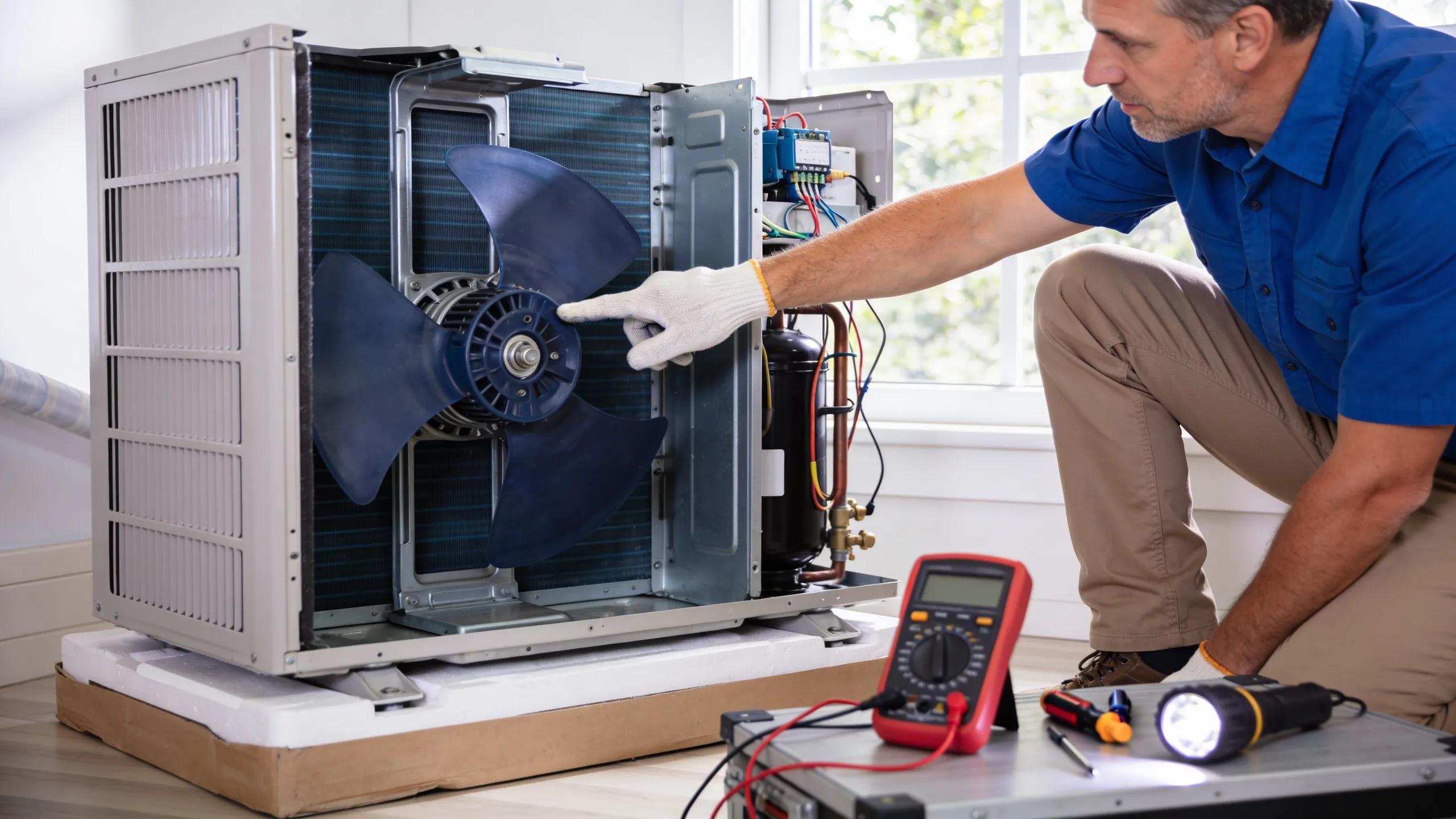
This type of noise typically indicates loose or damaged parts like a displaced fan or blower motor, suggesting potential mechanical failure. Safely inspect visible fasteners and alignment. If banging persists after tightening, it’s crucial to schedule a professional evaluation with us to accurately diagnose and fix the root cause.
For example, a heavy bang at startup fading out may signal a loose panel or unbalanced fan, while repeated knocking at intervals could point to piston or valve issues in older systems. Note the noise timing—startup, steady run, or shutdown—as it helps narrow down causes.
Rattling generally results from loose screws, panels, or debris inside the unit. You can usually tighten accessible screws and remove obstructions safely. Neglecting rattling can cause bigger mechanical issues, so regular maintenance is important to keep components secure.
Areas prone to rattling include condenser fan guards, service panels, and duct connections. Outdoor units might have leaves or small animals that cause intermittent sounds. If sound continues after cleaning, internal components like brackets or motor bearings may need professional attention from Climate Tamers.
Whistling often indicates restricted airflow due to duct leaks, blockages, or vent misalignment. This reduces efficiency and causes uneven temperatures. Check vents and visible duct sections for gaps or debris, and if the noise persists, our professionals can assess duct integrity and system balance for you.
Sometimes adjusting dampers or louvers manually can resolve whistling at register corners. Sharp duct bends or high-velocity sections might also cause noise, where we can help by recommending insulation or duct smoothing solutions.
Such sounds typically come from electrical components like compressors or blower motors, possibly signaling a need for repair or replacement. Because electrical issues can worsen quickly, exercise caution and contact Climate Tamers immediately if humming continues after checking connections.
If buzzing coincides with dimming lights or breaker trips, it indicates electrical load issues. Document noise timing relative to electrical symptoms. Never attempt repairs on electrical panels yourself; switch off power at the breaker and request expert service.
Clicking noises often relate to ignition problems in gas systems or electrical connection faults in others. Observe the click frequency and pattern—repeated clicks or failure to start require a licensed service check to guarantee safety and proper function.
Our technicians at Climate Tamers will ask about timing, such as whether clicks occur only during thermostat calls or idle times, to streamline diagnosis.
Screeching usually points to worn motor bearings or inadequate lubrication on moving parts. Applying manufacturer-recommended lubricants can help, but persistent screeching calls for a professional inspection to prevent more damage.
Belt-driven systems can squeal if belts wear or lose tension; direct-drive motors commonly have bearing wear issues. Regular maintenance including lubrication from Climate Tamers helps avoid this noise.
Hissing might signal a refrigerant leak, which impacts efficiency and raises environmental concerns. Persistent hissing warrants our technician’s visit to detect and repair leaks promptly.
Sometimes hissing results from pressure equalization or metal expansion in ducts, but if accompanied by cooling loss, frost, oil stains, or chemical odor, treat it as a leak and notify us for immediate service.
When your HVAC system produces strange noises, start with cautious visual checks, document noise timing and character, then escalate to professional diagnosis if unresolved.
Systematic troubleshooting reduces unnecessary service calls. Before engaging Climate Tamers, gather details about the noise, timing, related symptoms like temperature or electrical issues, and recent changes to your system to aid a quick and effective diagnosis.
When performing checks, always wear basic safety gear like gloves and glasses. Never open electrical panels without switching off breakers to ensure safety.
Keep handy a notepad or phone for notes, a flashlight for dark corners, screwdrivers for tightening, and tools like tape measures or tissue strips for airflow testing. Accurate documentation assists our technicians in fast, precise service.
For residents of New Orleans, LA, we emphasize recognizing critical situations needing professional care. Trust Climate Tamers to provide licensed and reliable diagnostic, repair, and maintenance services to keep your HVAC system safe and effective.
While DIY inspections address minor issues, certain noises indicate serious or hazardous faults beyond homeowner intervention. Electrical, gas, or major mechanical problems require licensed professionals like Climate Tamers.
Signs to immediately call us include gas or burning smells, visible sparks or smoke, refrigerant leaks with cooling loss, and repeated ignition failure. In such cases, turn off your system safely and contact Climate Tamers. Providing us with detailed observations helps ensure safe and efficient resolution.
Different sounds correspond to specific system faults, guiding troubleshooting efforts. For instance, banging often means physical part failure, while hissing tends to indicate refrigerant problems. Understanding these helps you take timely action, helping Climate Tamers prevent escalation.
Common noise-to-cause pairings include:
Use these associations along with information about noise timing and system behavior to provide Climate Tamers with the most useful diagnostic information.
Start with a visual check for loose or worn furnace parts, then listen carefully to when the knocking occurs—at startup, during operation, or shutdown. This helps pinpoint causes such as delayed ignition or thermal expansion.
For example, knocking at startup may indicate burner timing issues, while knocking during cycling could mean refrigerant-related faults. Note any changes in heating or cooling efficiency accompanying the noises to aid our team in targeted troubleshooting.
Follow these steps to safely diagnose furnace noises before calling us:
Additional checks include confirming clean, properly seated air filters as clogged filters restrict airflow and increase system strain causing noise. Also, examine belts and pulleys; replace worn belts to avoid further damage. Listening to voices at vents helps determine if noises come from ductwork or equipment.
If problems persist, contact us at Climate Tamers. Providing detailed timing and frequency observations helps us swiftly identify and repair your system’s issues.
Reach out to Climate Tamers when noise intensity increases, performance drops, or strange odors develop alongside sounds. These can indicate serious faults beyond basic checks.
Visible oil stains, refrigerant leaks, frost buildup, unresettable breakers, or continuing noises after tightening are signs to stop DIY efforts and schedule our professional service promptly. In doubt, turning off your HVAC system prevents further harm.
Rattling often comes from loose screws or components, as well as debris inside units. You can safely check and tighten accessible parts and clear foreign objects.
Inspect the outdoor condenser unit for loose grill screws, bent fins, or debris around the fan area. Inside the air handler, look for loose panels or misaligned blower wheels. If rattling is intermittent, correlate it with factors like wind or system cycles to help our team determine if issues are environmental or mechanical.
Common sources include loose fan blades or bent tips causing imbalance, compressor mount bolts loosening and allowing vibration, debris trapped in coil or fan guard, and degraded mounts losing vibration dampening ability.
Prompt examination and maintenance by Climate Tamers reduce the risk of further damage by addressing these issues swiftly and professionally.
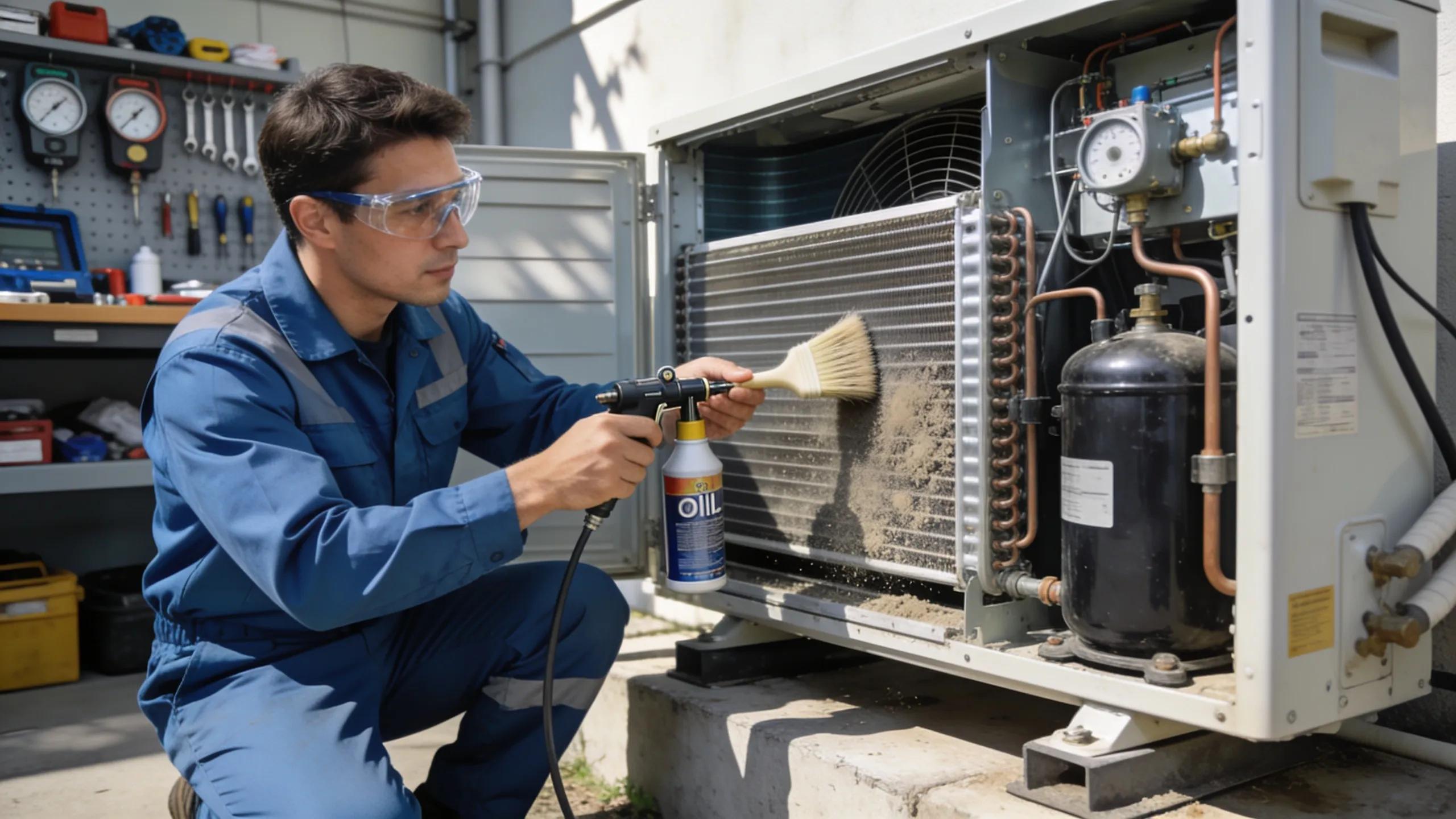
Regular maintenance is vital to avoid noisy problems in your HVAC system. At Climate Tamers, we recommend scheduled professional inspections to detect issues early before they worsen.
Additional best practices include timely air filter replacement as per your system manual (generally every 1–3 months), keeping outdoor units free of leaves and debris, and maintaining clear surrounding space for airflow. Seasonal servicing before summer and winter ensures any emerging issues are fixed early, preserving comfort and efficiency.
We provide written checklists after service visits so you have a clear record of completed maintenance, which also supports warranty claims and helps identify recurring issues for future care.
Once you detect persistent or serious strange noises, it’s important to contact Climate Tamers promptly for inspection and repair. Quick action helps maintain safe and efficient operation.
When scheduling service, please describe the noise clearly—terms like banging, rattling, squealing, or humming, along with timing such as startup, runtime or shutdown are very helpful. Also, mention recent weather events or wildlife activity that might affect your system. Sharing recent maintenance records or error codes before our visit lets our technicians come fully prepared for fast diagnosis.
Before our arrival, ensure clear and safe access to your outdoor unit and indoor air handler, clear registers and vents for airflow testing, and have thermostat settings handy. Providing service history expedites problem identification and resolution.
Certain signs call for urgent professional diagnostics, including sudden loud noises, system shutdowns, or large temperature swings accompanied by sound. Early attention avoids damage escalation and uncomfortable living conditions.
Contact Climate Tamers right away if you notice:
In such cases, safely power down your system and arrange for our immediate diagnostic visit. Operating a faulty unit risks more expensive repairs and home damage.
Don't let strange noises compromise your HVAC system's performance. If persistent or worrying sounds occur in your system, reach out to Climate Tamers. Our dedicated team in New Orleans, LA is ready to provide expert diagnostics, repairs, and maintenance to restore your system's reliability and protect your home comfort.
Contact us through our website to schedule a service appointment. Provide us with detailed observations of the noise type, timing, and any related symptoms to help us prepare for a thorough evaluation. Trust Climate Tamers to keep your HVAC system running smoothly and quietly.

Our customers consistently praise Climate Tamers for our professionalism, fast service, and commitment to keeping their homes comfortable.